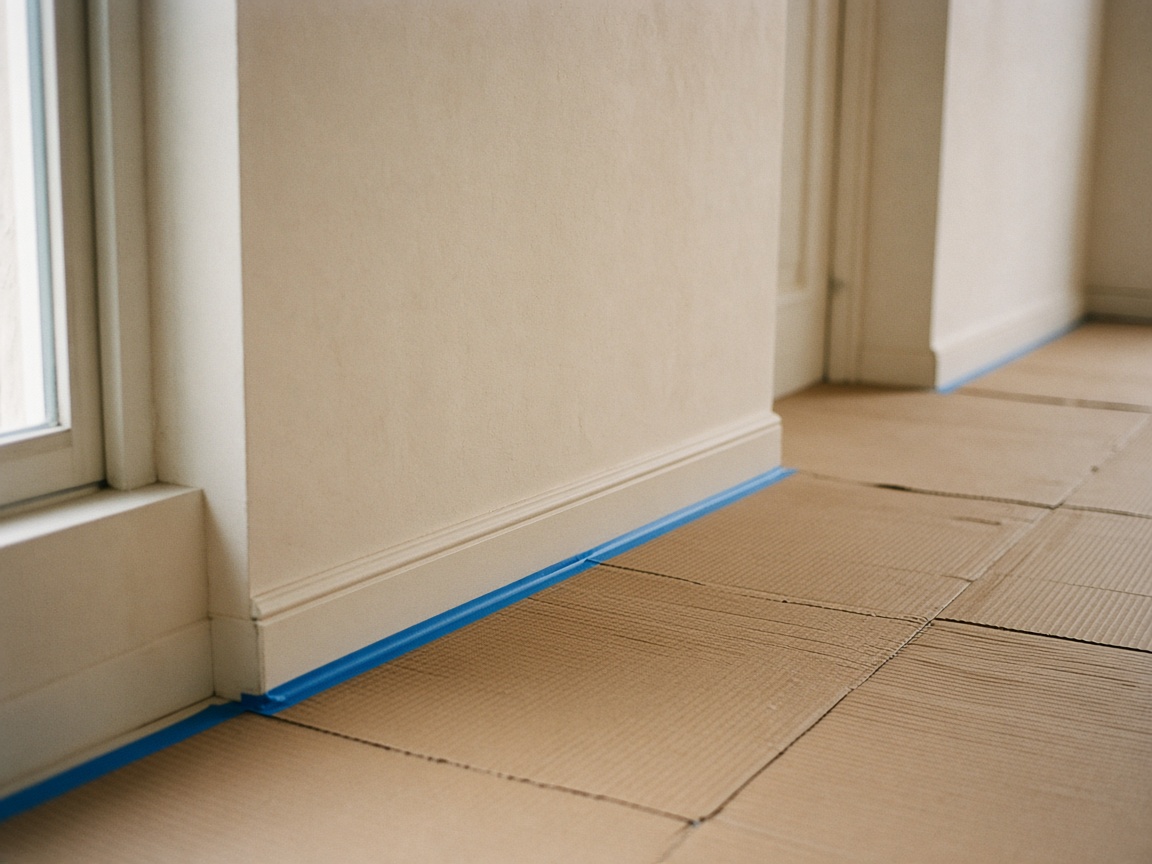
Entry discipline
Protection is the first trade
Before demolition starts, routes are defined, surfaces are covered, and airflow is managed. A tidy entry sets the tone for every following day—craftsmen notice, and so do the rooms you still sleep in.

Approach
Renovation is rarely a straight line. Our role is to hold the thread—translating what you want the home to feel like into sequences trades can execute without guesswork, and keeping you informed in language that respects your time.

Rhythm
These are not rigid gates—they are checkpoints where we confirm reality still matches intent. If something shifts, we pause, document, and adjust together.
Listen & measure
We record how light moves, where storage fails, and which rooms must stay usable. Photos and dimensions become the shared reference—not memory.
Align & specify
Layouts, finishes, and technical notes merge into a scope you can compare line by line. Surprises belong in creative discussion—not on the invoice.
Sequence & protect
Deliveries land when space exists for them. Dust routes stay predictable. Neighbors and unfinished rooms are considered in the same breath as deadlines.
Verify & release
Snagging is tracked until resolved. You receive practical notes on care—not a vague “all done.” Only then do we treat the space as yours again.
Entry discipline
Before demolition starts, routes are defined, surfaces are covered, and airflow is managed. A tidy entry sets the tone for every following day—craftsmen notice, and so do the rooms you still sleep in.
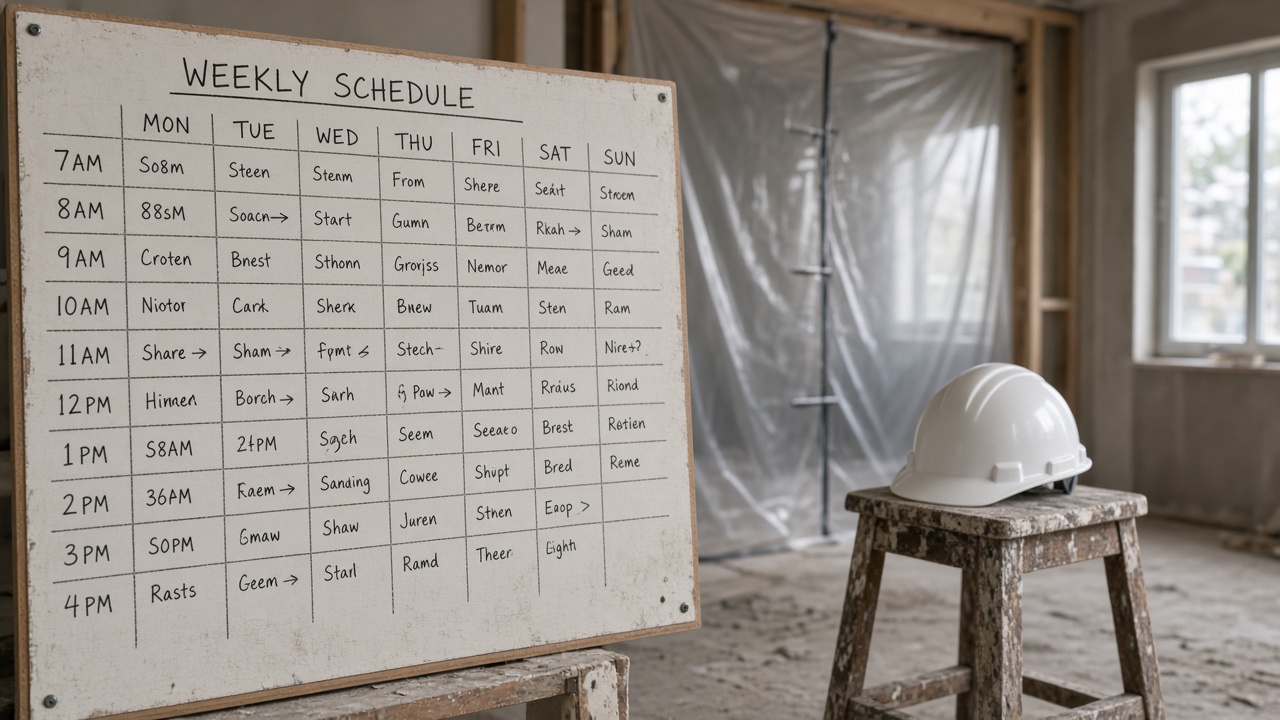
Shared calendar
Electricians, tilers, and joiners see the same week—not parallel stories that collide in your hallway. When a dependency slips, you hear it early with options, not after a wall is closed.
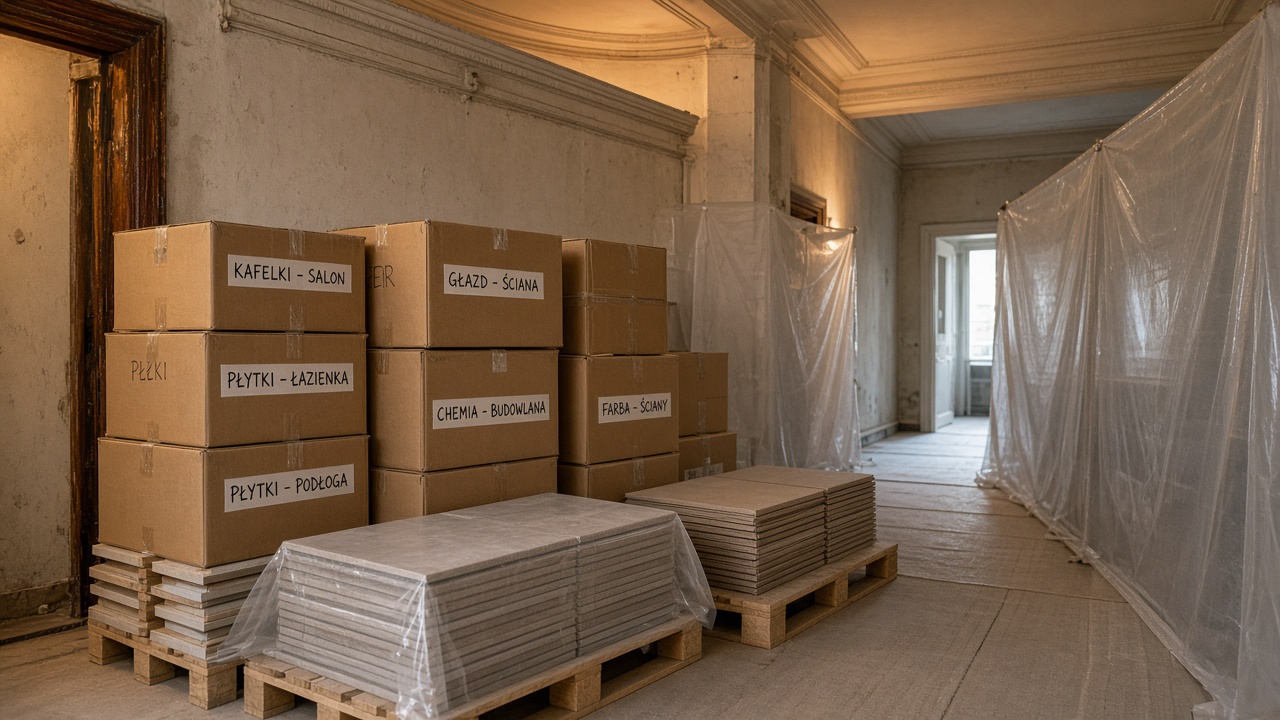
Material flow
Batches are timed to installation—not to fill corners. Labels match the room they belong to, reducing wrong cuts and last-minute substitutions that dull a design.
Commitments
These promises are operational—not marketing lines. They guide how we reply to email, how we run a site meeting, and how we behave when something unexpected appears in a wall.
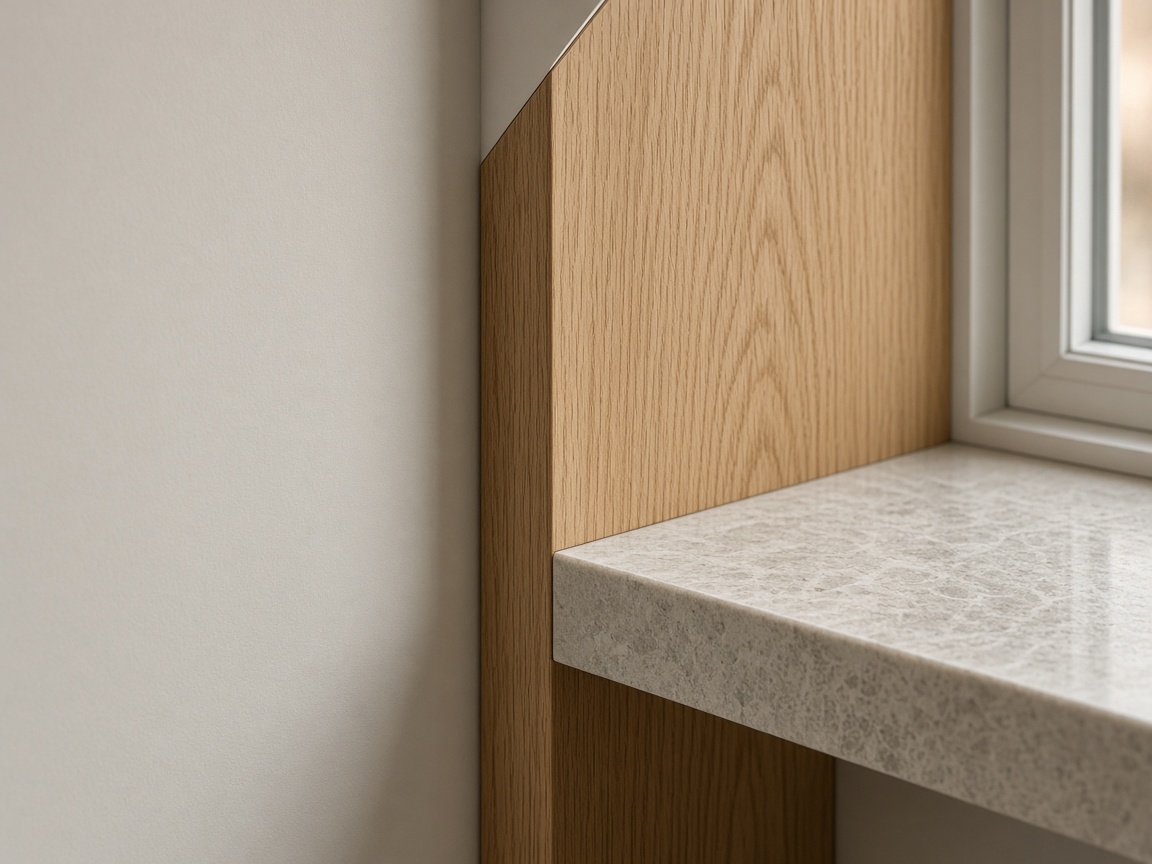
“The measure of our approach is what you stop worrying about—edges that stay true, doors that sit quiet, light that falls evenly across a wall you see every morning.”
Next step
A short note, a floor plan, or a handful of photos is enough to begin. We will respond with focused questions—not a generic brochure.